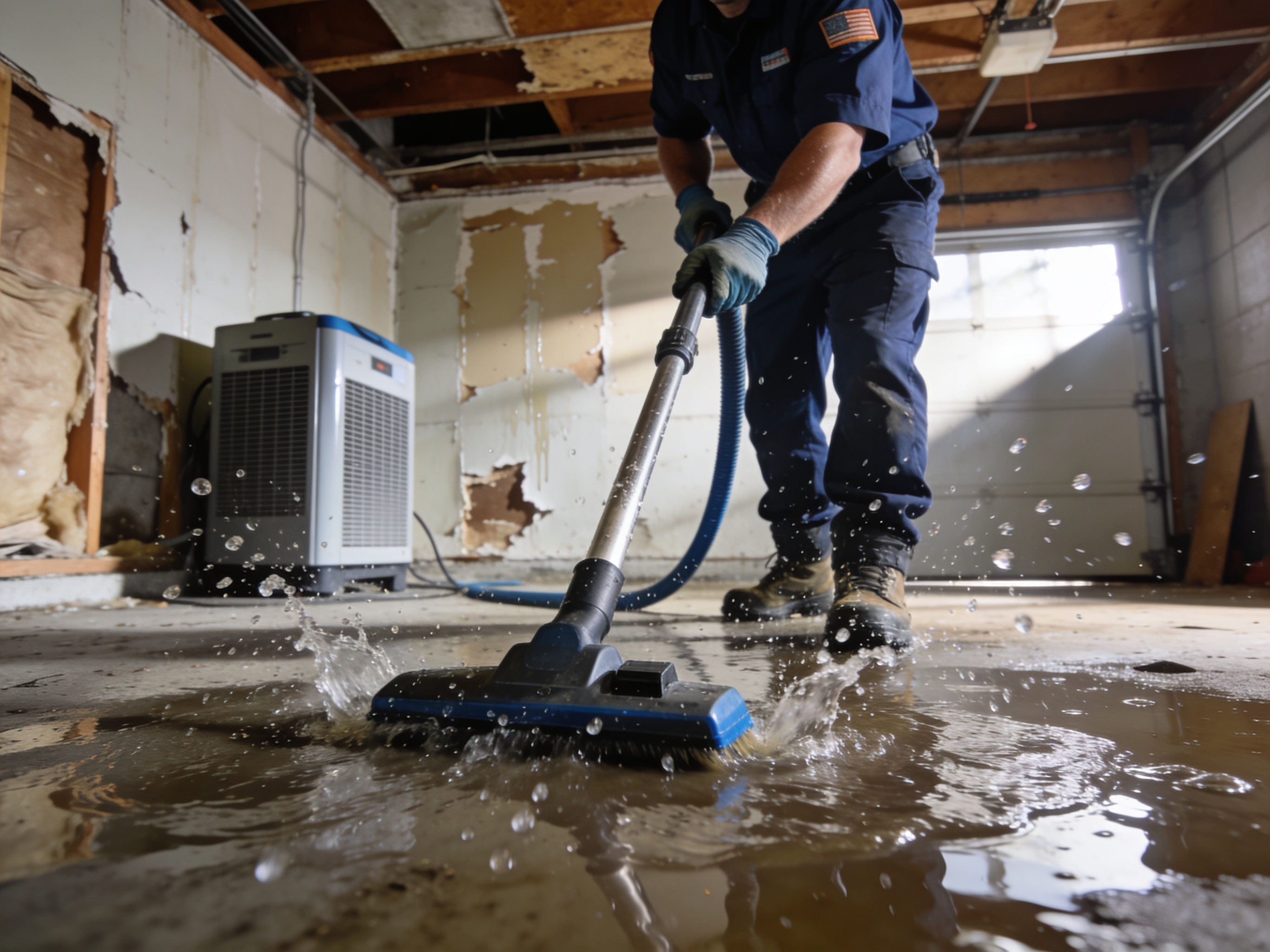
Dunn sits in southwest Raleigh along Dunn Road in Wake County, where older ranch homes and 1970s-80s subdivisions sit on lots that slope toward Lake Johnson. Summer thunderstorms and the area's humid subtropical climate push water into crawl spaces and slab edges faster than in drier parts of Cary or Wake Forest. Our team at 5511 Capital Center Dr responds directly to Dunn calls Monday through Friday 8am-6pm and Saturday 9am-2pm, bringing pumps and moisture meters to stop secondary damage before it spreads to neighboring properties on Avent Ferry Road.
Access in Dunn often means narrow driveways and shared drainage ditches that fill during heavy rain. We stage equipment on Capital Center Drive and work street-by-street so trucks do not block Western Boulevard or Athens Drive. This local routing keeps response times short for homes between Avent Ferry and the lake, where clay soils hold moisture and force longer drying times than the sandier lots found closer to downtown.
When pipes burst or roofs leak in Dunn, we focus on the specific construction details: vented crawl spaces under brick ranches and attached garages that trap humidity. Our crews document every step so insurance adjusters see exactly how water traveled from the source to affected rooms on the 27606 side of Raleigh.
Around Dunn
We regularly work near:
- 📍Dunn Road
- 📍Lake Johnson Park
- 📍Avent Ferry Road
- 📍Capital Center Drive
- 📍Athens Drive Magnet High School
Water Damage Restoration in Dunn — Local Notes
- •Dunn homes built before 1990 often have shallow crawl spaces and clay-heavy soil that slows natural drying after summer storms.
- •Properties along Dunn Road sit near Lake Johnson spillways; heavy rain backs water into yards and under slabs more quickly than in higher parts of Five Points.
- •Narrow driveways and shared ditches require smaller equipment and careful staging so work does not affect neighbors on Avent Ferry Road or Western Boulevard.
- •The humid subtropical pattern keeps relative humidity high into October, extending drying times for insulation and subfloors compared with drier nearby cities like Wake Forest.