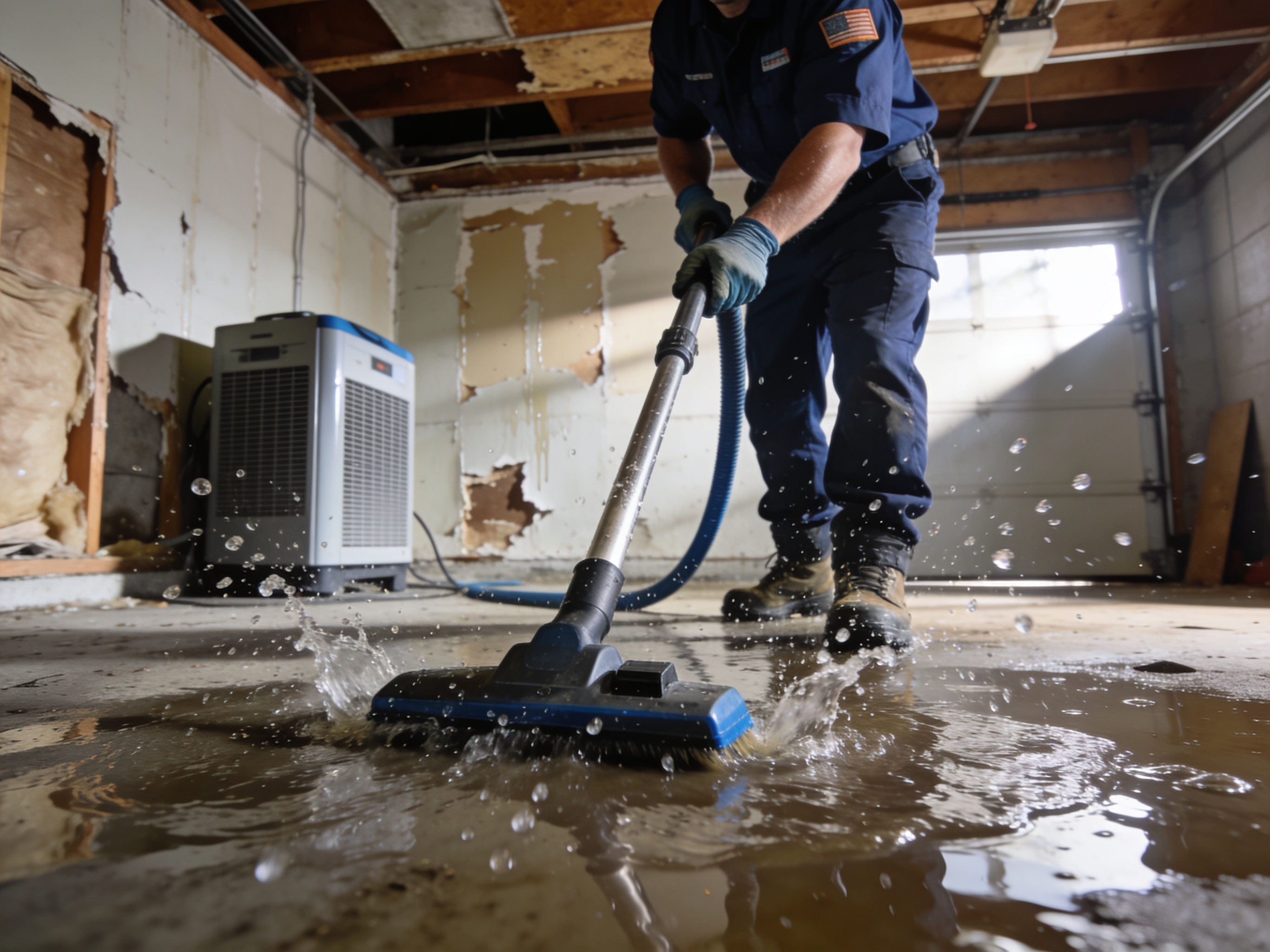
Raleigh's humid subtropical summers accelerate mold growth once water sits for more than 24 hours, especially in older brick and frame homes built before 1970 in Oakwood and Boylan Heights. Extraction crews must pull carpet pads and baseboards immediately because the clay-heavy soils around Falls of Neuse keep crawl spaces damp long after surface water is gone. Portable extractors with 200 CFM fans are standard here because the mild winters still allow hidden moisture to migrate into wall cavities when temperatures swing.
In neighborhoods like Cameron Village and Mordecai, slab-on-grade construction from the 1950s means water from a burst supply line often travels under the concrete before surfacing, requiring moisture meters and infrared scans rather than visual checks alone. Technicians route dehumidifiers through doorways to avoid tripping breakers in older electrical panels common in Five Points homes. Quick removal also protects hardwood floors that absorb water fast in the high-humidity environment and then cup permanently if not addressed the same day.
Wake County code requires permits for any work that opens walls in historic districts such as Hayes Barton, so crews document moisture readings before demolition begins. After extraction, air movers are positioned to create negative pressure toward exterior doors, preventing spores from moving into unaffected rooms during the drying phase. Homeowners along Glenwood South often see water from upstairs units travel down shared walls, making multi-unit coordination necessary to stop cross-contamination.
Technician insight
In Raleigh the thing that catches most people out with Emergency Water Removal is how quickly humidity in the crawl spaces under pre-1970 homes in Oakwood and Boylan Heights turns a small leak into widespread mold once temperatures stay above 80 degrees. Homeowners often stop the visible flow but leave the pad and insulation wet, which then wicks into subfloors because the clay soil here holds moisture for days after rain.
Washing Machine Leak In North Hills
Water from a failed supply line ran under the laundry room and into the adjacent hallway of a 1960s ranch. Extraction crews removed the pad and baseboards the same afternoon, then placed drying equipment under the slab edge. Daily readings confirmed the slab dried within four days without opening the hardwood floor.
Emergency Water Removal Services We Offer
✓Burst Pipe Water Extraction
Immediate removal of standing water from supply or drain line failures in Raleigh homes, followed by targeted drying of affected rooms to limit secondary damage in humid conditions.
✓Appliance Leak Cleanup
Extraction and moisture mapping after water heater, washer or dishwasher failures, common in North Hills and Cameron Village where older plumbing increases leak frequency.
✓Storm and Flood Extraction
Rapid pumping and debris removal after heavy rains or nearby creek overflow affecting properties near Falls of Neuse and Dorothea Dix Park.
✓Crawl Space Water Removal
Pumping and drying of flooded crawl spaces under older Raleigh homes where clay soil and poor drainage trap moisture for weeks after the initial event.
✓Emergency Sump Pump Failure Response
On-site water removal when sump systems stop during storms, preventing basement flooding in lower-lying areas around Pullen Park and Boylan Heights.
Emergency Water Removal Cost in Raleigh, NC
| Service | Typical Range | What Affects It |
|---|---|---|
| Initial extraction visit | $450–$900 | Varies with water depth and number of rooms |
| Daily drying equipment | $150–$350 | Per day, based on number of air movers needed |
| Crawl space extraction add-on | $300–$600 | Extra when access is limited or debris present |
| After-hours or weekend response | $200–$400 | Added to base service outside Mon–Fri 8–6 and Sat 9–2 |
Ranges are typical for Raleigh, NC and confirmed with an exact written quote before any work starts.
How it works
- 1
Arrival And Safety Check
Technician arrives within the service window, shuts off water sources if still active, and assesses electrical hazards before beginning extraction.
- 2
Standing Water Removal
Portable extractors and wands pull bulk water from floors, carpets and hard surfaces while documenting moisture levels room by room.
- 3
Hidden Moisture Detection
Infrared cameras and meters locate water behind walls and under slabs common in Wake County homes, guiding targeted drying.
- 4
Drying And Monitoring
Air movers and dehumidifiers run until readings return to normal, with daily checks to prevent mold in Raleigh's humid climate.
Pricing
Pricing depends on water volume, affected square footage, and how many days drying equipment must run.