2026-11-09 · David Harlan
Checking for Hidden Water Damage in Raleigh Attics After Summer Storms
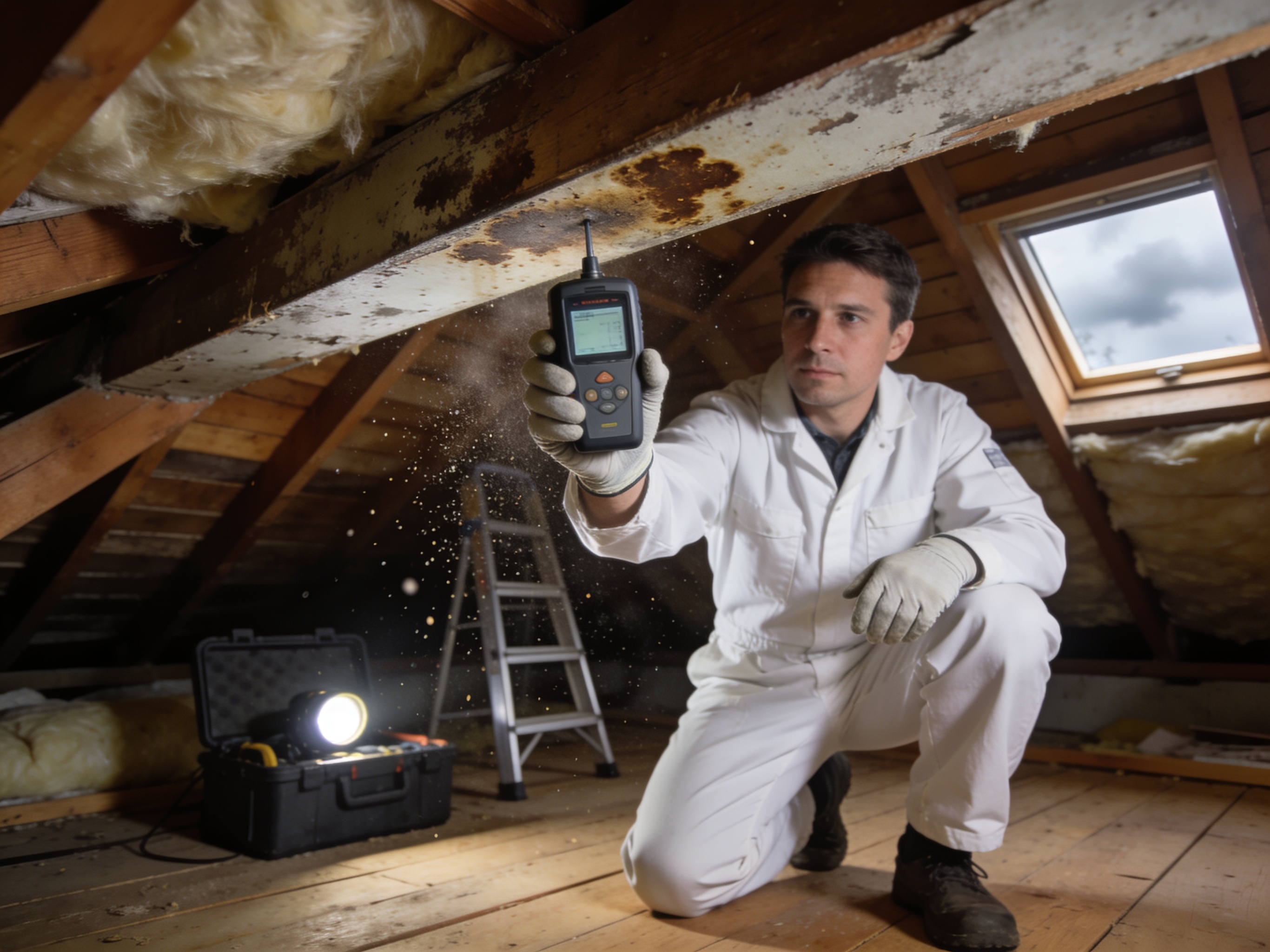
After summer storms hit Raleigh, inspect your attic within 48 hours for hidden water damage because the humid subtropical climate allows moisture to linger and promote mold in 3–7 days. Start at the peak and work downward, looking for dark streaks on rafters, soft spots in sheathing, and damp insulation near the eaves. Homes in older sections of Oakwood, Boylan Heights, and Mordecai often have original roofs that channel water along valleys during the intense afternoon downpours common from June through September.
How Raleigh Summer Storms Create Hidden Attic Issues
Raleigh's hot, humid summers produce frequent thunderstorms that drop 1–3 inches of rain in under an hour, overwhelming gutters and flashing on homes built before 1980. In neighborhoods such as Cameron Village and Hayes Barton, mature trees drop leaves that clog downspouts, forcing water under shingles and into attics. The mild winters that follow do not dry these spaces, so moisture trapped in fiberglass batts or blown cellulose stays for weeks. Terrain around Falls of Neuse and Five Points slopes toward creeks, which raises humidity levels under the roof deck even after the rain stops. These conditions differ from drier inland areas and require checking for delaminated plywood and rusted nail heads along the ridge.
Step-by-Step Attic Inspection After a Storm
Turn off power to the attic before climbing in and use a bright LED headlamp to scan every rafter bay. Note any water stains larger than a quarter on the underside of the roof deck, especially within 2 feet of plumbing vents or skylights. Press gently on insulation; if it feels heavier than normal or shows dark patches, pull a small section back to check the decking. In Glenwood South and North Hills homes with vaulted ceilings, look for sagging drywall tape lines on the top floor. Document each spot with photos and mark the location on the floor joists with painter's tape so you can reference it later. If you find more than two wet areas or any black growth, stop and ventilate the space before continuing.
When Professional Water Damage Restoration Is Needed
Call for Water Damage Restoration if insulation remains wet after 72 hours or if you see mold colonies larger than a dinner plate. Older homes in Downtown Raleigh and around the North Carolina State Capitol often have knob-and-tube wiring that cannot tolerate added moisture, making quick drying essential. Technicians use moisture meters to read hidden levels behind knee walls and in cathedral ceilings common in Boylan Heights. For residents in nearby Cary or Durham facing the same storm patterns, the same inspection timeline applies because the weather systems move across Wake County uniformly. Review the related guide on protecting homes from flash flooding to prepare before the next event.
Factors Affecting Repair Costs in Local Older Homes
Repair scope depends on how far water traveled and the age of materials. In 1920s–1950s homes common in Hayes Barton and Mordecai, replacing damaged plaster and lath can add $800–$2,200 beyond basic drying. Attic insulation removal and disposal runs $1.50–$3 per square foot when mold is present. Homes near Pullen Park or Dorothea Dix Park sit on clay soils that hold water longer, increasing the chance of repeated leaks at the same spots. See the article on price factors for Water Damage Repair in Raleigh older homes for a breakdown of variables such as roof pitch and access points. Our team at 5511 Capital Center Dr operates Mon–Fri 8am–6pm and Sat 9am–2pm to handle these assessments promptly.